
Fitness
Why Women Over 45 Need Strength Training (And How to Start)
Muscle mass, bone density, metabolism — strength training addresses all three. Here's the science and a simple plan to get started.
8 min readRead
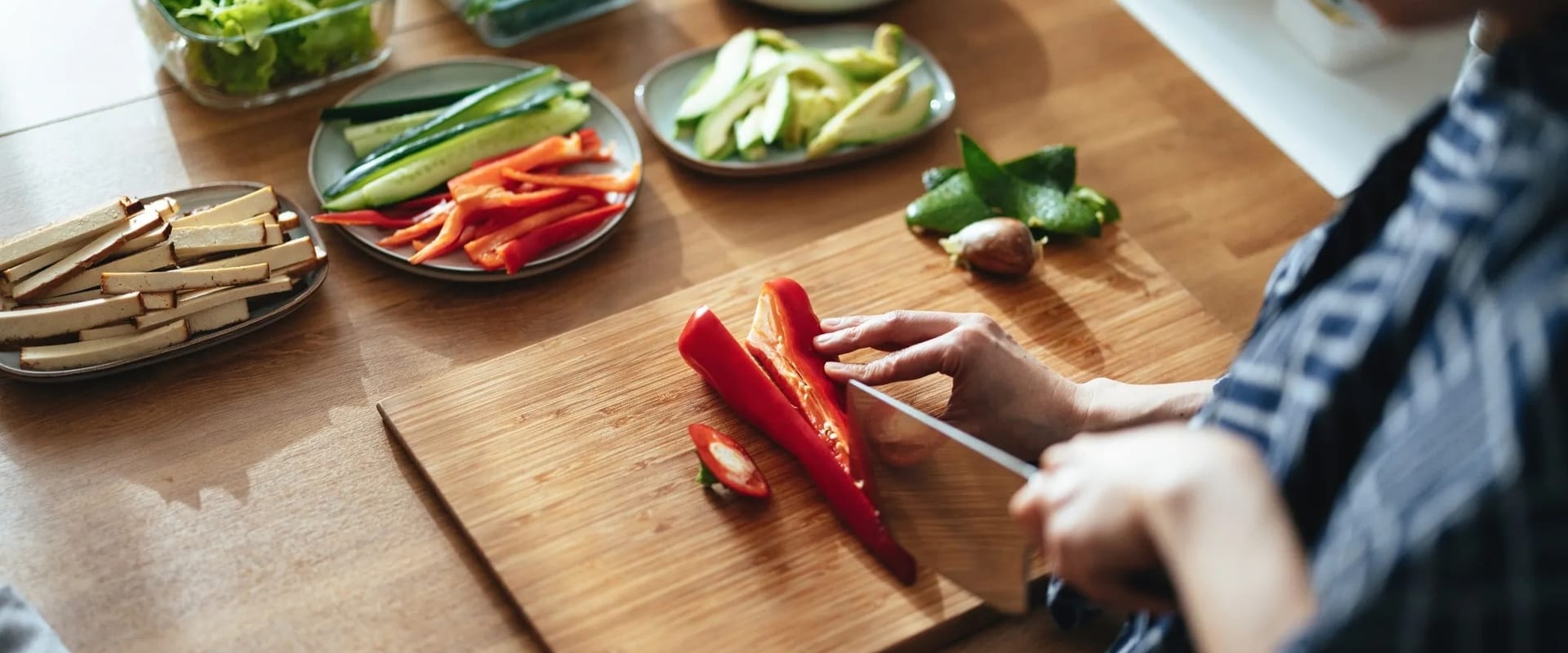
Your gut produces 90% of your serotonin. What you feed it shapes your mood, your immunity, and your resilience. Fermented foods are one of the most direct ways to support it.
After 40, women lose approximately 3 to 5 percent of their muscle mass per decade if they do nothing to prevent it. This is not inevitable — it is a default that strength training directly reverses. Muscle is metabolically active tissue. More of it means a faster resting metabolism, better blood sugar regulation, and a body that burns more calories even at rest.
Bone density is the other urgent reason. Estrogen plays a critical role in maintaining bone density, and as levels decline during perimenopause and menopause, the risk of osteoporosis rises sharply. Weight-bearing exercise — lifting things — is one of the most effective interventions available. It signals the body to maintain and build bone.
Start with bodyweight or light dumbbells and focus on form before adding weight. A squat done correctly with 10 pounds is worth more than a squat done badly with 40. Your joints will thank you, and you will build the neuromuscular patterns that make heavier lifting safe later.
The mental benefits are equally real. Strength training has been shown to reduce symptoms of anxiety and depression, improve sleep quality, and increase confidence in ways that go beyond the physical. There is something deeply satisfying about getting stronger — about knowing your body is capable and resilient.
If you are new to lifting, consider one or two sessions with a personal trainer to learn the foundational movements. Strong by Zumba and Zumba + Lift classes are also excellent entry points — they combine the fun of group fitness with real resistance training in a supportive environment.
What actually changed things was much simpler. Ten minutes. Before I looked at my phone. Before I checked email or the news or Instagram. Just ten minutes that belonged entirely to me.
Some mornings that ten minutes is journaling — three pages of whatever is in my head, no editing, no rereading. Some mornings it is sitting with coffee and watching the light change. Some mornings it is five minutes of breathwork and five minutes of stretching on the floor.
The content matters less than the consistency. What you are training is the habit of beginning your day with intention rather than reaction. You are teaching your nervous system that the first moments of the day belong to you — not to your inbox, not to other people's urgency.
After six months of this practice, I noticed something I did not expect: I became harder to rattle. The morning ritual was not just a nice way to start the day. It was building something structural.
Start with five minutes. Set your phone face-down across the room the night before. When you wake up, do not touch it for five minutes. Do anything else — breathe, stretch, look out the window, write one sentence in a notebook. Five minutes. That is the whole practice. Build from there.
Nobody tells you how much paperwork there is. When my marriage ended after 22 years, I was prepared for the grief — I was not prepared for the sheer administrative weight of dismantling a shared life. Bank accounts, insurance policies, beneficiary designations, tax filings, the deed on the house. It took months just to understand what needed to change.
Your identity will feel unstable for a while, and that is normal. For decades, part of who you were was defined by your role in the marriage. When that ends, there is a genuine identity vacuum. Do not rush to fill it. Sit with the question of who you are now. It is uncomfortable and it is also an extraordinary opportunity.
The friendships will shift. Some people who were couple-friends will quietly disappear. This hurts. It also makes room for new connections — women who are in similar chapters, who understand what you are navigating, who will become some of the most important people in your life.
Your body needs extra care during this time. Stress is physiologically real — it raises cortisol, disrupts sleep, affects digestion and immunity. Move your body every day, even if it is just a 20-minute walk. Eat real food. Sleep as much as you can.
Give yourself a longer timeline than you think you need. Rebuilding a life is not a six-month project. It is a two-to-three-year arc, with real progress happening gradually and then suddenly. Be patient with yourself. You are doing something genuinely hard, and you are doing it.
Hormonal balance is not a wellness buzzword — it is a physiological reality that affects your energy, mood, sleep, weight, and long-term health. And what you eat has a direct, measurable impact on how your hormones behave.
Protein is the foundation. Aim for 25 to 30 grams per meal — not per day, per meal. This level of protein intake supports muscle maintenance, keeps blood sugar stable, and provides the amino acid building blocks your body uses to produce hormones.
Fiber is the second non-negotiable. Your gut microbiome plays a direct role in estrogen metabolism. A diverse, fiber-rich diet supports this process. Aim for 25 to 35 grams of fiber daily from vegetables, fruits, legumes, and whole grains.
Healthy fats are essential, not optional. Your body uses cholesterol and fatty acids to produce steroid hormones including estrogen, progesterone, and testosterone. Avocado, olive oil, fatty fish, nuts, and seeds all support hormone production.
Phytoestrogens — plant compounds that weakly mimic estrogen — are found in soy, flaxseed, and legumes. Two tablespoons of ground flaxseed daily is one of the simplest, most evidence-backed additions you can make.
The capsule wardrobe concept has been around for decades, but it took me until my early 50s to actually build one that worked. The key insight I was missing: it is not about having fewer clothes. It is about having clothes that work together so well that getting dressed becomes effortless.
The foundation is a neutral base: one pair of well-fitting dark jeans, one pair of tailored trousers in a neutral, one white button-down, one quality crewneck, and one blazer that works for both casual and professional settings. These five pieces should fit you perfectly and be made of quality fabric that travels without wrinkling.
The test: before any trip, lay everything out and make sure you can create at least 15 distinct outfits from the pieces. If you cannot, something is not earning its place in the bag.
The deeper benefit of a capsule wardrobe is not just packing efficiency — it is the mental clarity of knowing that everything you own fits, flatters, and reflects who you are. Getting dressed stops being a source of low-grade stress and becomes a small daily pleasure.
The science is genuinely compelling. Your breath is the only autonomic function you can consciously control, which makes it a direct lever on your nervous system. Slow, extended exhales activate the parasympathetic nervous system and measurably reduce cortisol and heart rate within minutes.
The simplest technique: 4-7-8 breathing. Inhale for 4 counts, hold for 7, exhale for 8. The extended exhale is the key — it is what signals safety to your nervous system. Do four cycles. You can do this in your car, at your desk, in a bathroom stall before a difficult meeting.
For a deeper practice, try coherent breathing: inhale for 5 counts, exhale for 5 counts, for 10 minutes. This creates heart rate variability coherence — a state associated with reduced anxiety, improved emotional regulation, and better sleep.
Start with one technique, practiced daily for two weeks. The benefits compound. What begins as a crisis tool becomes a baseline — a different relationship with your own nervous system, and a genuine sense that you can regulate yourself through difficult moments.
The career gap question is one of the most anxiety-producing moments in a job search for women returning to work. Here is the reframe that changes everything: a career gap is not a gap. It is a period during which you were doing something else — caregiving, managing a household, navigating a major life transition, building skills in a different context.
Research is your foundation. Before any salary conversation, know the market rate for the role in your geography. Use LinkedIn Salary, Glassdoor, and industry-specific salary surveys. Know the range, know where you should land given your experience, and have a specific number ready.
The number you give should be at the top of your range, not the middle. You can always negotiate down; you cannot negotiate up from a number you have already given.
Remember: the company is not doing you a favor by hiring you. You are bringing skills, experience, and value that they need. Negotiate from that reality, not from gratitude or relief.
One of the things I love most about Zumba is that it does not require a perfect setup. You need music, a few square feet of floor space, and the willingness to move. This 10-minute warm-up is something I do before every class.
Start with two minutes of marching in place. Not walking — marching, with intention. Lift your knees, swing your arms, and let your body remember that it knows how to move. Put on a song you love. The music matters.
Minutes 5 and 6: grapevine. Step right, cross left behind, step right, tap. Reverse. If you have never done a grapevine, it takes about 30 seconds to get the pattern — then it becomes automatic and genuinely fun.
Minutes 9 and 10: freestyle. Put on your favorite song and just move. No steps to remember, no technique to perfect. Just your body and the music. This is what Zumba is really about — the joy of movement for its own sake.
Menopausal skin is a distinct category, and most skincare advice is not written for it. The changes are real and significant: estrogen decline leads to reduced collagen production, decreased skin thickness, reduced moisture retention, and slower cell turnover.
Retinoids remain the gold standard. Prescription tretinoin or over-the-counter retinol stimulates collagen production, accelerates cell turnover, and addresses both fine lines and uneven texture. Start low, use it two to three nights per week, and increase gradually.
SPF is non-negotiable and is the single most evidence-backed anti-aging intervention available. Mineral SPF 30 or higher, every morning, regardless of whether you plan to be outside. UV damage is cumulative and is the primary driver of visible aging.
What does not work: most 'anti-aging' creams that do not contain retinoids, peptides, or vitamin C. The marketing is sophisticated and the price points are high, but the active ingredients are often present in concentrations too low to have any effect.
I booked the trip on a Tuesday night in February, sitting alone in a house that used to be full of noise. I had never traveled solo. I chose Lisbon because I had always wanted to go and because it was far enough away to feel like a real departure.
The second day was different. I woke up with no agenda and no one to negotiate with about how to spend the morning. I walked for three hours. I stopped at every bakery. I sat in a square and watched pigeons and old men playing cards and felt, for the first time in months, genuinely present.
By day four I had found a rhythm that was entirely mine. Coffee at the same café each morning. Long walks in the afternoon. Dinner at the counter of small restaurants where I could watch the kitchen. I was learning what I actually liked.
I came home different. Not fixed — grief does not work that way. But I had evidence that I could navigate the world alone. That I was interesting company for myself. That there were beautiful things waiting for me that had nothing to do with my marriage or its ending.
Mexico has become one of the world's great wellness destinations, and for good reason: the combination of natural beauty, rich healing traditions, excellent cuisine, and relative accessibility from the US makes it an ideal location for a restorative retreat.
San Miguel de Allende is my personal favorite for women over 40. The altitude means you will sleep deeply. The colonial architecture and art scene provide genuine cultural richness. Several excellent retreat centers offer programs focused on creative renewal, grief processing, and life transitions.
What to look for in any retreat: a clear daily schedule with built-in free time, a maximum group size that allows for real connection, facilitators with verifiable credentials, and a refund policy that reflects confidence in their program.
Budget realistically. A quality four-to-seven-day retreat in Mexico will cost $2,000 to $5,000 all-in including flights. That is a significant investment. It is also, for many women I know, one of the best investments they have made in themselves.
Portugal is, in my experience, one of the best countries in the world for solo female travel. It is safe, walkable, affordable by Western European standards, and possessed of a melancholy beauty that feels particularly resonant if you are in a reflective chapter of your life.
Days 1 through 4: Lisbon. Stay in Alfama or Mouraria — the old neighborhoods with the best character. Walk everywhere. Eat pastéis de nata every morning. Visit the Museu Nacional do Azulejo. Take the ferry across the Tagus to Cacilhas for the best view of the city.
Days 5 and 6: the Alentejo. Rent a car or take the train to Évora, a UNESCO World Heritage city with Roman ruins, medieval walls, and some of the best wine in Portugal. The silence and the cork oak forests are restorative in a way that is hard to describe.
Days 7 through 10: Porto. The second city is grittier and more energetic than Lisbon, with a thriving food and arts scene. Take a day trip to the Douro Valley — the terraced vineyards along the river are among the most beautiful landscapes in Europe.
The girlfriend getaway is one of the great pleasures of midlife — and one of the great logistical challenges. Getting four to six women with different budgets, different travel styles, and different ideas of a good time to agree on a destination, dates, and activities is genuinely difficult.
Start with a survey, not a group chat. Group chats about travel planning devolve into chaos within 48 hours. Instead, send a simple form: preferred dates, budget range, activity preferences, and any hard constraints. Present two or three concrete options.
Build in alone time. Even the most extroverted women need decompression time on a group trip. Schedule two to three hours each afternoon with no group plans — everyone can nap, read, explore solo, or do nothing.
The best girlfriend trips I have been on had one thing in common: a shared meal that lasted three hours, with good wine and real conversation. Plan for that. Everything else is logistics.
Asheville has been on best-of lists for years, and it keeps earning its place. The combination of Blue Ridge Mountain scenery, a thriving arts scene, exceptional food and drink, and a culture that is genuinely welcoming to women traveling alone or in groups makes it one of the most reliably satisfying domestic destinations I know.
The food scene is genuinely excellent. Cúrate, Chai Pani, and Bouchon are all worth reservations. The Saturday farmers market at the Western North Carolina Farmers Market is one of the best in the South.
The River Arts District is a working artist community with over 200 studios open to visitors. The experience of watching someone make something beautiful is one of the best things Asheville offers.
Three days is the right amount of time. Arrive Thursday evening, leave Sunday afternoon. You will leave wanting to come back, which is exactly the right feeling.
I flew business class to Europe for the first time three years ago, on points. The flight cost me $112 in taxes and fees. The seat was flat. There was a duvet. I slept for six hours and arrived in Lisbon feeling like a person rather than a piece of luggage.
The foundation is a travel credit card with a strong sign-up bonus. The sign-up bonuses on these cards — typically 60,000 to 100,000 points after meeting a spending threshold — are worth $600 to $2,000 in travel depending on how you redeem them.
The key concept is transfer partners. Points earned on Chase, Amex, or Capital One can be transferred to airline and hotel loyalty programs, often at a 1:1 ratio. A business class seat to Europe that costs $4,000 in cash might cost 60,000 to 80,000 airline miles.
Practical tips: book as far in advance as possible for award availability. Be flexible on dates — moving a trip by one day can mean the difference between availability and nothing. Transfer points only when you have confirmed availability.
The first 90 days after a divorce is finalized are, in my experience and in the experience of most women I have talked to, the hardest. The legal process gave you something to focus on. Now it is over, and you are standing in the rubble of your former life trying to figure out what comes next.
Week one: do nothing major. Do not make big financial decisions, do not start dating, do not move, do not quit your job. Your nervous system is in crisis mode and your judgment is compromised. Give yourself permission to just get through the days.
Month two: build your support structure. This means a therapist if you do not already have one, a financial advisor who specializes in divorce, and at least two or three people you can call when things are hard. The support structure is not a luxury — it is infrastructure.
Throughout all of it: be extraordinarily gentle with yourself. You are doing something genuinely hard. The grief is real, the disorientation is real, and the exhaustion is real. Rest when you need to rest. Ask for help when you need help.
Starting a business after 50 is different from starting one at 30, and most of the differences are in your favor. You have domain expertise that took decades to develop. You have a professional network. You have a clearer sense of what you are good at and what you actually want.
Start with the problem, not the product. What specific problem do you solve for a specific group of people? The more precisely you can answer this question, the easier everything else becomes — marketing, pricing, sales, product development.
Validate before you build. Before you invest significant time or money, find 10 people who have the problem you are solving and ask them if they would pay for your solution. Not 'would you be interested' — 'would you pay $X for this.'
The most important thing: start before you are ready. You will never feel fully prepared. The learning happens in the doing. Start small, charge real money from day one, and iterate based on what you learn from actual customers.
Many women who divorce after long marriages find themselves in a situation they did not anticipate: they are financially comfortable on paper but have little experience managing money independently. Their spouse handled the investments, the taxes, the insurance. Now they are responsible for all of it.
Step one is a complete financial inventory. List every account, every asset, every liability. Bank accounts, retirement accounts, brokerage accounts, real estate, vehicles, life insurance policies, credit cards, loans. You cannot manage what you do not know you have.
Understand your Social Security situation. If you were married for 10 or more years, you may be entitled to benefits based on your ex-spouse's earnings record, which can be significantly higher than your own.
Then invest, consistently and simply. A target-date retirement fund in a low-cost brokerage account is sufficient for most people. You need to start, to be consistent, and to not panic when markets decline. Time in the market beats timing the market, every time.
One of the least-discussed aspects of divorce is the identity loss. For women who have been married for decades, a significant portion of their self-concept is organized around the marriage. When that ends, the question 'who am I now?' is not rhetorical. It is genuinely disorienting.
The more useful approach is curiosity. What did you want before you were married? What interests did you set aside? What parts of yourself did you minimize or suppress to make the marriage work? These questions are not about blame — they are about recovery.
Pay attention to what makes you lose track of time. That is information about who you are. The activities, conversations, and experiences that make hours feel like minutes are pointing at something real about your nature and your gifts.
The identity you build after divorce can be more authentically yours than the one you had before — because you are building it consciously, from the inside out, without the compromises that long partnerships inevitably require.
The conventional wisdom is that career pivots get harder as you get older. There is some truth to this — ageism is real, and starting over at the bottom of a new field is genuinely difficult. But the conventional wisdom misses something important: you are not starting from zero.
You have transferable skills that took decades to develop. Project management, communication, leadership, problem-solving, client relationships, financial acumen — these are valuable in almost every field.
Informational interviews are underused and extraordinarily valuable. Identify 10 to 15 people who are doing the work you want to be doing and ask for 20-minute conversations. These conversations will tell you more about what the work is actually like than any job description.
Give yourself a two-to-three-year timeline. Career pivots rarely happen in six months. They happen through a series of moves, each one getting you closer to where you want to be. Be patient with the process and ruthless about the direction.
One of the loneliest aspects of divorce is the social restructuring that follows. Couple-friends often disappear — not out of malice, but because the social architecture of your shared life was built around the marriage.
Where to find your people: classes and groups organized around shared interests are the most reliable source of new friendships in midlife. The shared activity provides a natural reason to be together repeatedly, which is the condition under which real friendship develops.
Be the initiator. Most people are waiting for someone else to make the first move. If you meet someone you like, suggest coffee. Follow up. Invite them to things.
The village you build after divorce will not look like the one you had before. It will be smaller, more intentional, and more genuinely yours. The women who show up for you during this time will become some of the most important people in your life.
The skincare industry has a vested interest in convincing you that your routine needs to be complicated. It does not. After years of testing products and reading the research, I have landed on five categories that actually move the needle — and everything else is noise.
Step one: a gentle cleanser. Not a foaming cleanser that strips your skin, but a low-pH, non-stripping cleanser that removes makeup and pollution without compromising your skin barrier.
Step three: moisturizer with ceramides and hyaluronic acid. After 40, your skin barrier becomes less efficient at retaining moisture. Apply to slightly damp skin for maximum effect.
Step five: retinol or retinoid, evenings only, two to three times per week. This is the workhorse of anti-aging skincare. Start low, go slow, and always follow with moisturizer.
Nobody tells you about the grow-out. That is the part that stops most women before they start — the months of two-toned hair, the awkward in-between stage, the comments from people who think they are being helpful. The grow-out is real and it is hard, and it is worth it.
Gray hair has different needs than pigmented hair. It tends to be coarser, drier, and more prone to yellowing. A purple or blue toning shampoo used once a week neutralizes brassiness. A deep conditioning treatment weekly addresses the dryness.
What women consistently report after going gray: they feel more authentic. They stop spending hours and money on maintenance. They get compliments from strangers. They feel, paradoxically, younger — because they are no longer fighting something natural.
The decision to go gray is personal and there is no wrong answer. But if you are curious about it, if you have been thinking about it for years, if you are tired of the maintenance — it might be time to find out what your real hair looks like.
The goal of makeup after 40 is not to look younger. It is to look like the best version of yourself — rested, healthy, present. The techniques that achieve this are different from the ones that worked at 25.
Skin prep is 80 percent of the result. A well-moisturized, primed face holds makeup better, looks more luminous, and requires less product. Apply your moisturizer, let it absorb for five minutes, then apply a hydrating primer — not a mattifying one.
Cream products over powder products, almost always. Cream blush, cream bronzer, cream highlighter — they melt into the skin and look natural rather than sitting on top of it.
The finishing touch: a tinted lip balm or a sheer lipstick in a color close to your natural lip color. The whole routine, done well, takes under 10 minutes and looks like you — just more rested.
Divorce often comes with a wardrobe that no longer fits — not physically, but psychologically. The clothes you wore as someone's wife may feel like costumes from a life you are no longer living. This is uncomfortable and it is also an opportunity.
Start with a closet audit. Take everything out. Try on every piece. Ask one question: does this feel like me — the me I am now, or the me I am becoming? If the answer is no, it goes.
Invest in fit. A $50 pair of trousers that fits perfectly looks better than a $300 pair that does not. Find a good tailor. The cost of alterations is almost always worth it.
The deeper purpose of a capsule wardrobe after divorce is not efficiency — it is intentionality. Every piece you own is something you chose, something that reflects who you are now.
Retinol is the most evidence-backed ingredient in skincare. Decades of research confirm that it stimulates collagen production, accelerates cell turnover, reduces fine lines and wrinkles, fades hyperpigmentation, and improves skin texture.
How to start: begin with a low concentration two nights per week. Apply a pea-sized amount to clean, dry skin — wait 20 to 30 minutes after washing your face. Follow immediately with a rich moisturizer.
The adjustment period is real. For the first four to eight weeks, you may experience dryness, flaking, and mild redness. This is called retinization and it is temporary. Do not stop — push through it with extra moisturizer.
After three to six months of consistent use, the results are visible and measurable. Skin texture improves, fine lines soften, dark spots fade. Retinol is not a quick fix — it is a long-term investment in your skin that pays compounding returns.
The best haircut for a woman over 50 is the one that works with her hair's natural texture, requires minimal daily effort, and makes her feel like herself. With that said, there are cuts that consistently deliver on all three criteria.
The Italian bob: chin to collarbone length, blunt or slightly textured ends, worn straight or with a natural wave. This cut works for almost every face shape, looks polished with minimal styling, and photographs beautifully.
The modern shag: layers throughout, curtain bangs or face-framing pieces, textured ends. This cut works best for women with medium to thick hair and adds movement and youthfulness without looking dated.
The most important factor in any haircut is the relationship with your stylist. Find someone who listens, who understands your lifestyle and how much time you actually want to spend on your hair, and who will be honest with you about what will and will not work.
Magnesium is one of the most important minerals in the human body, involved in over 300 enzymatic reactions including energy production, protein synthesis, muscle and nerve function, blood glucose control, and blood pressure regulation. It is also one of the most common nutritional deficiencies in women over 40.
The reasons for widespread deficiency are structural: modern agricultural practices have depleted magnesium from soil, meaning even a diet rich in vegetables provides less than it once did. Stress depletes magnesium rapidly — the more stressed you are, the more you excrete. Alcohol, caffeine, and certain medications (including common diuretics and proton pump inhibitors) further reduce absorption.
The symptoms of deficiency are easy to miss because they are so common: poor sleep, muscle cramps, anxiety, fatigue, headaches, and constipation. Many women attribute these to aging or stress without realizing that a mineral deficiency may be a significant contributing factor.
The best food sources of magnesium are dark leafy greens (particularly spinach and Swiss chard), pumpkin seeds, dark chocolate (70% or higher), legumes, whole grains, avocado, and fatty fish. A handful of pumpkin seeds contains roughly 150mg — about a third of the daily recommended intake.
If you are considering supplementation, magnesium glycinate is the form best absorbed and least likely to cause digestive upset. Magnesium threonate has the strongest evidence for cognitive benefits. Take it in the evening — it has a mild calming effect that supports sleep quality.
The gut-brain axis is one of the most significant discoveries in nutritional science of the past two decades. Your gut and your brain are in constant bidirectional communication via the vagus nerve, and the state of your gut microbiome directly influences your mood, cognition, stress response, and immune function.
Approximately 90% of the body's serotonin is produced in the gut, not the brain. The gut also produces significant amounts of dopamine, GABA, and other neurotransmitters. This means that what you eat is not just fuel — it is, in a very real sense, mood medicine.
Fermented foods introduce live beneficial bacteria (probiotics) directly into your digestive system. The most accessible and evidence-backed options are plain yogurt with live cultures, kefir, kimchi, sauerkraut, miso, and kombucha. Aim for at least one serving daily.
A 2021 Stanford study found that a diet high in fermented foods increased microbiome diversity and decreased markers of inflammation more effectively than a high-fiber diet alone. The combination of both — fermented foods plus diverse fiber — produced the strongest results.
Start with one fermented food you actually enjoy. A tablespoon of kimchi with dinner, a cup of plain kefir in the morning, a bowl of miso soup at lunch. Consistency matters more than quantity. Your microbiome responds to what you feed it regularly, not what you eat occasionally.
Chronic low-grade inflammation — sometimes called 'inflammaging' — is increasingly understood as a root driver of many of the conditions associated with aging: cardiovascular disease, cognitive decline, joint pain, metabolic dysfunction, and accelerated skin aging. Omega-3 fatty acids are among the most studied and most effective dietary interventions for reducing it.
The two most important omega-3s are EPA (eicosapentaenoic acid) and DHA (docosahexaenoic acid), found primarily in fatty fish. EPA has the strongest anti-inflammatory effects. DHA is critical for brain structure and function — it makes up approximately 40% of the polyunsaturated fatty acids in the brain.
The best food sources are fatty fish: salmon, sardines, mackerel, herring, and anchovies. Aim for two to three servings per week. Wild-caught salmon provides roughly 1,500 to 2,000mg of combined EPA and DHA per serving — close to the amount used in most clinical studies.
Omega-3s also play a direct role in hormone balance. They are precursors to prostaglandins, hormone-like compounds that regulate inflammation, blood clotting, and smooth muscle contraction. Adequate omega-3 intake is associated with reduced PMS symptoms, improved mood during perimenopause, and better insulin sensitivity.
If you do not eat fish regularly, a high-quality fish oil supplement providing at least 1,000mg of combined EPA and DHA daily is a reasonable alternative. Look for a product that has been third-party tested for purity and oxidation. Algae-based omega-3 supplements are an effective option for those who do not eat fish.
Cruciferous vegetables — broccoli, cauliflower, Brussels sprouts, kale, cabbage, arugula, and bok choy — contain a group of compounds called glucosinolates that, when chewed and digested, break down into biologically active molecules including indole-3-carbinol (I3C) and its metabolite diindolylmethane (DIM).
DIM supports what researchers call 'favorable estrogen metabolism.' Estrogen is not a single hormone — it is a family of related compounds, and the liver processes it through multiple pathways that produce different metabolites with different effects on the body. DIM promotes the pathway that produces less potent, more easily excreted estrogen metabolites.
This matters particularly during perimenopause, when estrogen levels fluctuate widely and the liver's ability to process estrogen efficiently becomes more important. Symptoms associated with estrogen dominance — heavy periods, breast tenderness, bloating, mood swings — may be partially addressed through improved estrogen metabolism.
To get meaningful amounts of DIM from food, aim for one to two cups of cruciferous vegetables daily. Lightly cooking them (steaming or roasting) preserves more of the active compounds than boiling. Raw is also effective — a handful of arugula in a salad, shredded cabbage in a slaw, or raw broccoli with hummus all count.
Cruciferous vegetables also provide sulforaphane, one of the most studied anti-cancer compounds in food, along with fiber, vitamin C, vitamin K, and folate. They are among the most nutritionally dense foods available and among the most consistently associated with longevity in population studies.
Collagen is the most abundant protein in the human body, providing structural support to skin, bones, cartilage, tendons, ligaments, and blood vessels. After 35, collagen production declines by approximately 1% per year. By menopause, the rate of decline accelerates — women lose up to 30% of their skin collagen in the first five years after menopause.
Vitamin C is the most critical nutrient for collagen synthesis. Your body cannot produce collagen without it — vitamin C is a required cofactor for the enzymes that build collagen's triple-helix structure. The best food sources are bell peppers (especially red), citrus fruits, kiwi, strawberries, and broccoli.
Glycine and proline are the amino acids that make up the majority of collagen's structure. Bone broth is the richest food source of both. Slow-cooked meats, skin-on poultry, and fish with bones (sardines, salmon with skin) also provide meaningful amounts. Egg whites are high in proline.
Zinc and copper are cofactors in collagen synthesis that are frequently overlooked. Zinc is found in pumpkin seeds, beef, chickpeas, and cashews. Copper is found in liver, shellfish (especially oysters), dark chocolate, and sesame seeds. Both are commonly deficient in women who eat a predominantly plant-based diet.
Collagen peptide supplements have a reasonable evidence base — several randomized controlled trials show improvements in skin elasticity, hydration, and joint pain with 2.5 to 10 grams daily. They are most effective when taken with vitamin C. Food-first is always the better approach, but supplementation is a reasonable addition if your diet is limited.
Adaptogens are a class of herbs and mushrooms that help the body adapt to stress — physical, chemical, and biological. The term was coined by Soviet pharmacologist Nikolai Lazarev in 1947, and the concept has been validated by decades of subsequent research. What makes an adaptogen distinct is its ability to normalize physiological function regardless of the direction of the stressor.
Ashwagandha (Withania somnifera) is the most studied adaptogen for stress and cortisol reduction. Multiple randomized controlled trials show that 300 to 600mg of ashwagandha root extract daily significantly reduces cortisol levels, perceived stress, and anxiety. It also improves sleep quality and thyroid function in women with subclinical hypothyroidism.
Rhodiola rosea has the strongest evidence for fatigue and cognitive performance under stress. It works differently from ashwagandha — rather than primarily reducing cortisol, it appears to support the body's stress response system more broadly, improving mental clarity and physical endurance during demanding periods.
Holy basil (Ocimum tenuiflorum), also called tulsi, is an Ayurvedic adaptogen with anti-inflammatory and blood sugar-stabilizing properties in addition to its stress-modulating effects. It is most commonly consumed as a tea and has a pleasant, slightly clove-like flavor.
A few important caveats: adaptogens are not regulated as drugs, quality varies enormously between products, and they interact with some medications. Ashwagandha in particular should be used cautiously by women with thyroid conditions or hormone-sensitive cancers. Start with one adaptogen at a time, at the lowest effective dose, and give it six to eight weeks before evaluating results.

Radojka Barycki
Licensed Zumba Instructor · Food Safety Executive · Founder, Fabulous At Any Age
Keep reading
Muscle mass, bone density, metabolism — strength training addresses all three. Here's the science and a simple plan to get started.
Not a 5am wake-up call. Not a green juice. A simple, honest morning practice that actually sticks — and why it works.
The practical, emotional, and logistical reality of rebuilding your life after 50 — from someone who did it.
What you eat directly affects how your hormones behave. Here's what the research actually says — and what to put on your plate.
Ten pieces that work for a weekend in the mountains, a week in Europe, or a Tuesday at the office. The math actually works.
The science is real, the practice is simple, and it works faster than almost anything else. Here's where to start.
Returning to work after time away is hard enough. Here's how to walk into the salary conversation with confidence and data.
No equipment, no studio, no excuses. This warm-up gets your body ready to move and your mood ready for anything.
Your skin changes significantly after menopause. Here's what the research says about what actually helps — and what is just expensive marketing.
I was terrified. I went anyway. Here's what happened — and why I think every woman going through a major transition should do this.
From Tulum to San Miguel de Allende — the retreats worth the investment, and what to look for when choosing one.
Lisbon, the Alentejo, and Porto — a 10-day itinerary designed for women who want culture, food, beauty, and genuine rest.
Group travel is wonderful in theory and chaotic in practice. Here's the planning framework that makes it work.
Art, mountains, excellent food, and a genuinely welcoming energy. Asheville keeps delivering.
Credit card points, transfer partners, and the booking strategies that actually work. A practical guide for beginners.
The practical and emotional roadmap for the hardest stretch — what to do, what to defer, and what to be gentle about.
The advantages you have at 50 that you did not have at 30 — and the practical steps to turn an idea into income.
From understanding what you have to building what you need — the financial roadmap for women starting over.
Who are you when you are no longer someone's wife? The uncomfortable and ultimately liberating work of finding out.
Changing careers after 40 is harder than it was at 25 — and more possible than you think. Here's the playbook.
The friendships that sustain you through reinvention do not always come from where you expect. Here's how to build them.
No 12-step routines. No $400 serums. Just five evidence-backed products that address what your skin actually needs right now.
The transition, the products, the moments of doubt — and why so many women say going gray was the most liberating thing they ever did.
The techniques and products that work with mature skin, not against it. Dewy, fresh, and done in under 10 minutes.
Starting over with your wardrobe is actually a gift. Here's how to build a closet that reflects who you are now — not who you were.
The gold standard of anti-aging skincare, demystified. How to start, what to expect, and which formulas are worth the investment.
From the Italian bob to the modern shag — the cuts that are flattering, low-maintenance, and genuinely chic.
Magnesium is involved in over 300 enzymatic reactions — and most women are quietly deficient. Here's what it does, why deficiency is so common, and the best food sources.
Your gut produces 90% of your serotonin. What you feed it shapes your mood, your immunity, and your resilience. Fermented foods are one of the most direct ways to support it.
Chronic low-grade inflammation is behind most of the symptoms women attribute to aging. Omega-3 fatty acids are among the most evidence-backed tools to address it.
Broccoli, cauliflower, and kale contain a compound called DIM that helps your liver process estrogen more efficiently. This matters enormously during perimenopause and beyond.
Collagen production drops sharply after 40. The good news: specific foods and nutrients can meaningfully support your body's ability to make and maintain it.
Ashwagandha, rhodiola, holy basil — adaptogenic herbs have been used for centuries to help the body handle stress. Here's what the research actually says.